
Time to take another look at fireworks safety
July 26, 2024 Elin Pelin, Bulgaria
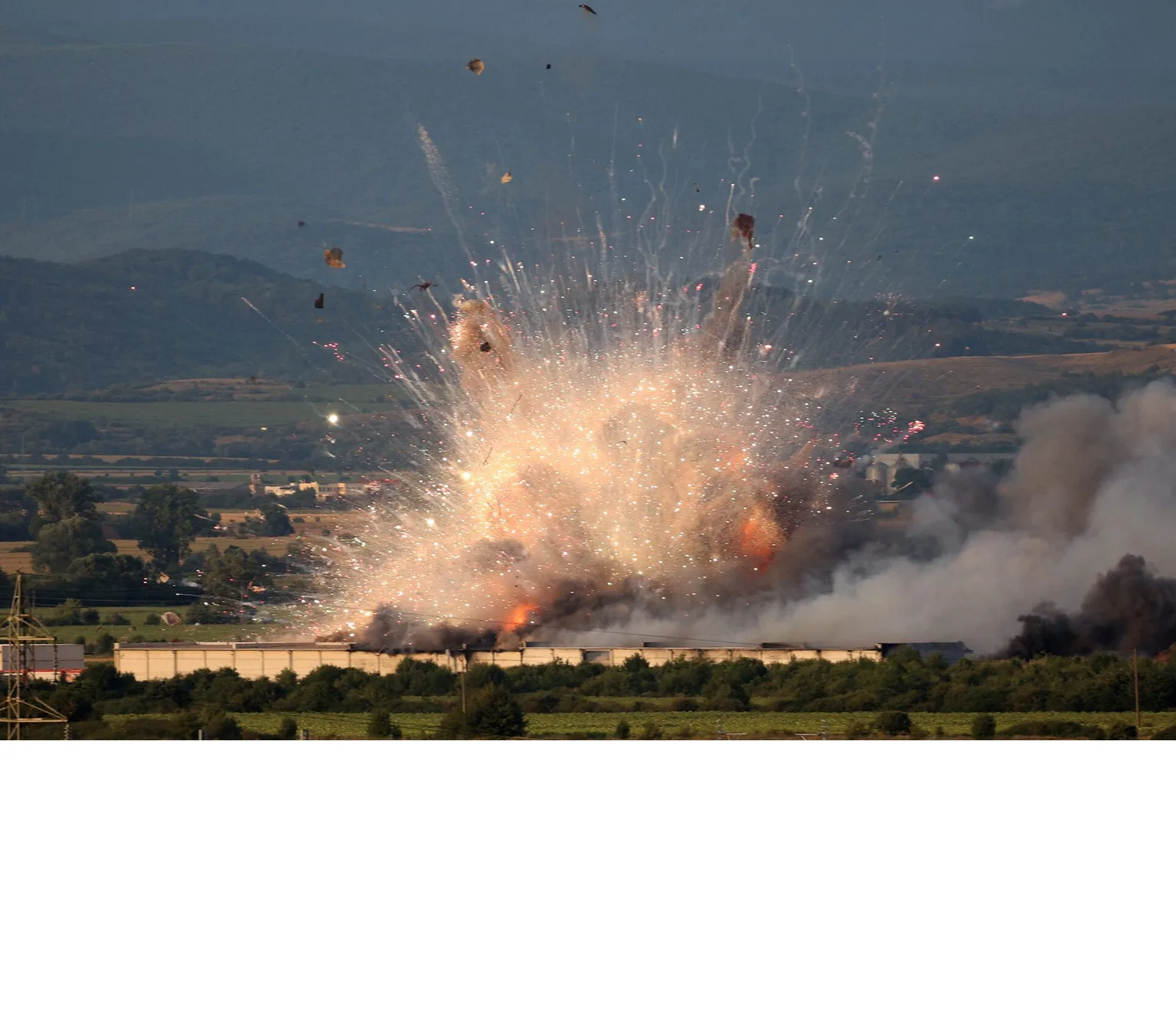
I stole the title of this article from a presentation put on by Charley Weeth at the Western WinterBlast® 2024. This seminar went through perhaps a couple dozen accidents which happened all over the world since 2000. The accidents described by Charley were all a result of ematch/quickmatch interactions. In this hour long presentation I think we were all wondering, did people know that there was maybe one incident a year like this for the last 20 years?
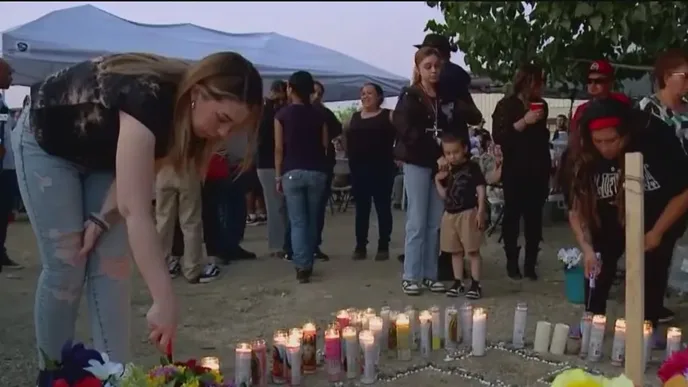
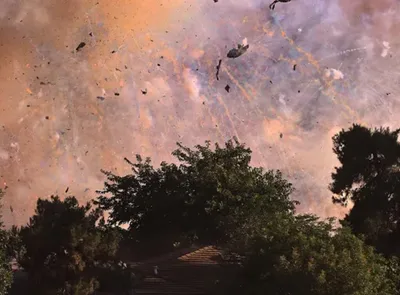
The recent accident in Yolo County CA which claimed the lives of seven employees of Devastating Pyrotechnics appears to follow the pattern of a crew preparing fireworks for the 4th of July and either cutting ematch out of already matched devices so they could be hand lit, or installing ematch into quick match without the benefit of plastic safety couplers. In this case the fact that the operation was carried out in a storage building loaded with product, and perhaps 40-50 containers in the area surrounding caused the resultant explosion to be quite large.
On the morning of July 4, 2009, preparing for a 40-minute display on Ocracoke Island for South Carolina-based Melrose South Pyrotechnics. Crew was attaching ematch to devices inside the truck with the whole show in the truck with them . Four people died in this one.
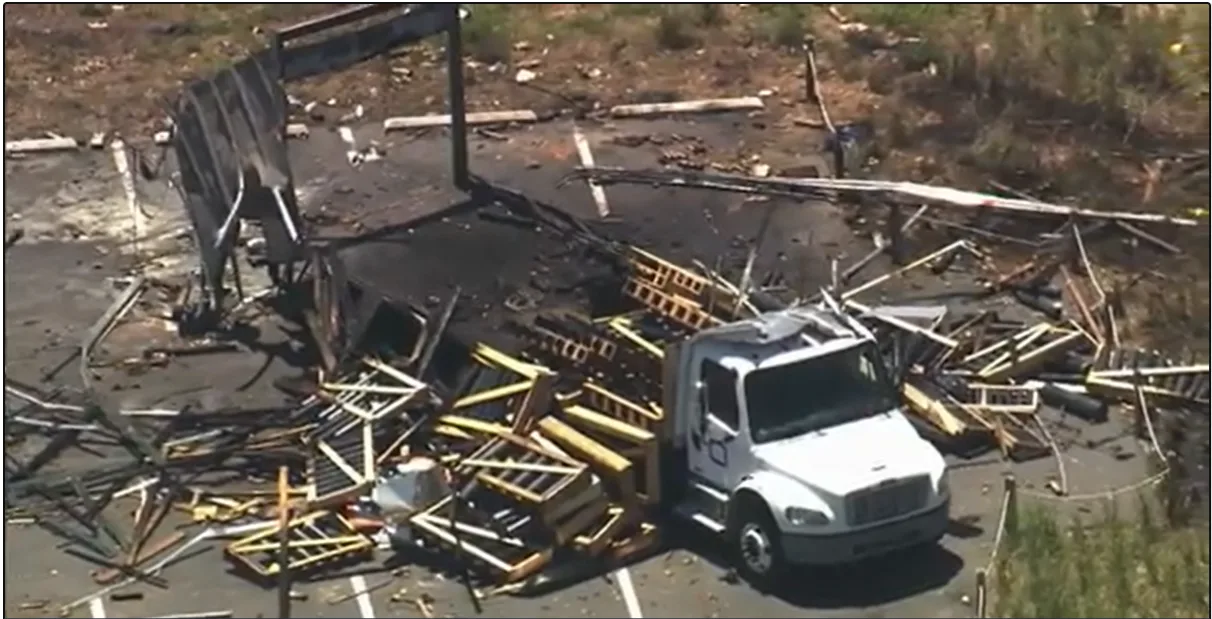
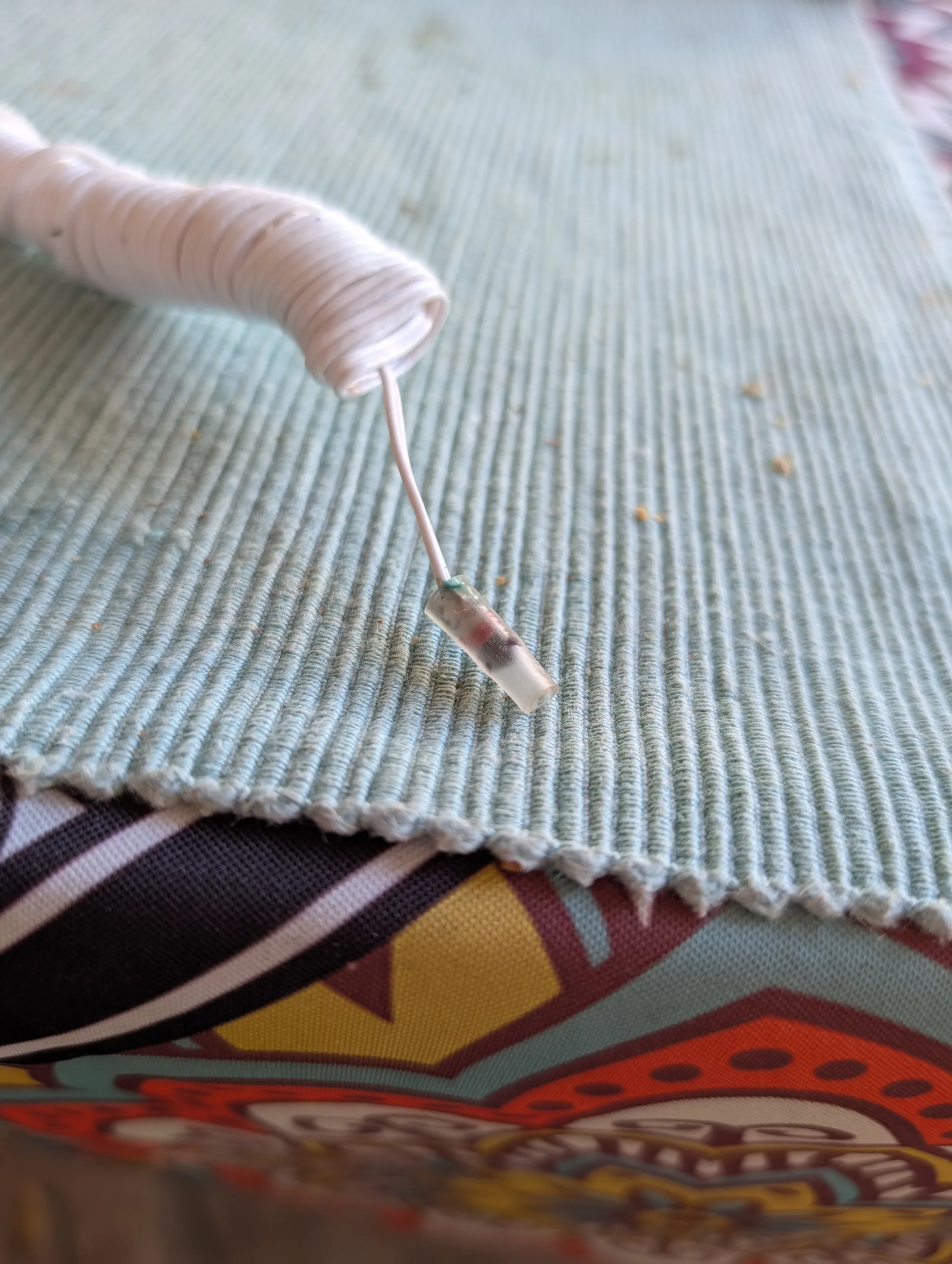
In days of old, when knights were bold, the first ematches appeared. Without shroud. Friction accidents resulting in bad outcomes got people to thinking about a plastic shroud that fit around the ematch to protect it from friction and perhaps some from being crushed (by snippers) as well.
Yep no shroud but that CE mark makes me feel safe. /s
Photo courtesy MJG enterprises
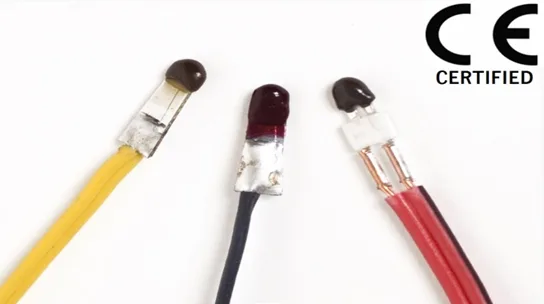
The plastic shroud definitely helped, and when used in conjunction with a plastic coupler which allowed the ematch to make a fire connection without touching the black match inside the pipe, became more or less idiot proof.
But you know how the saying goes, if the device is idiot proof, we then invent a better idiot. The quickmatch in some cases may be cut with scissors, tin snips (I'm afraid I have been guilty of this) or stapled to the rack. Stapling has been known to ignite quick match as well. Some QM based on perchlorate has also allegedly washed up on our shores and may contribute to friction sensitivity.
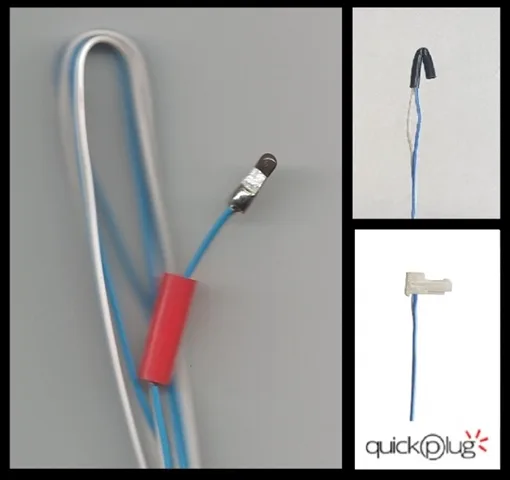
If the QM does need to be cut in some places the use of an anvil cutter will prevent the friction and pressure from both edges of scissors or wire snippers.
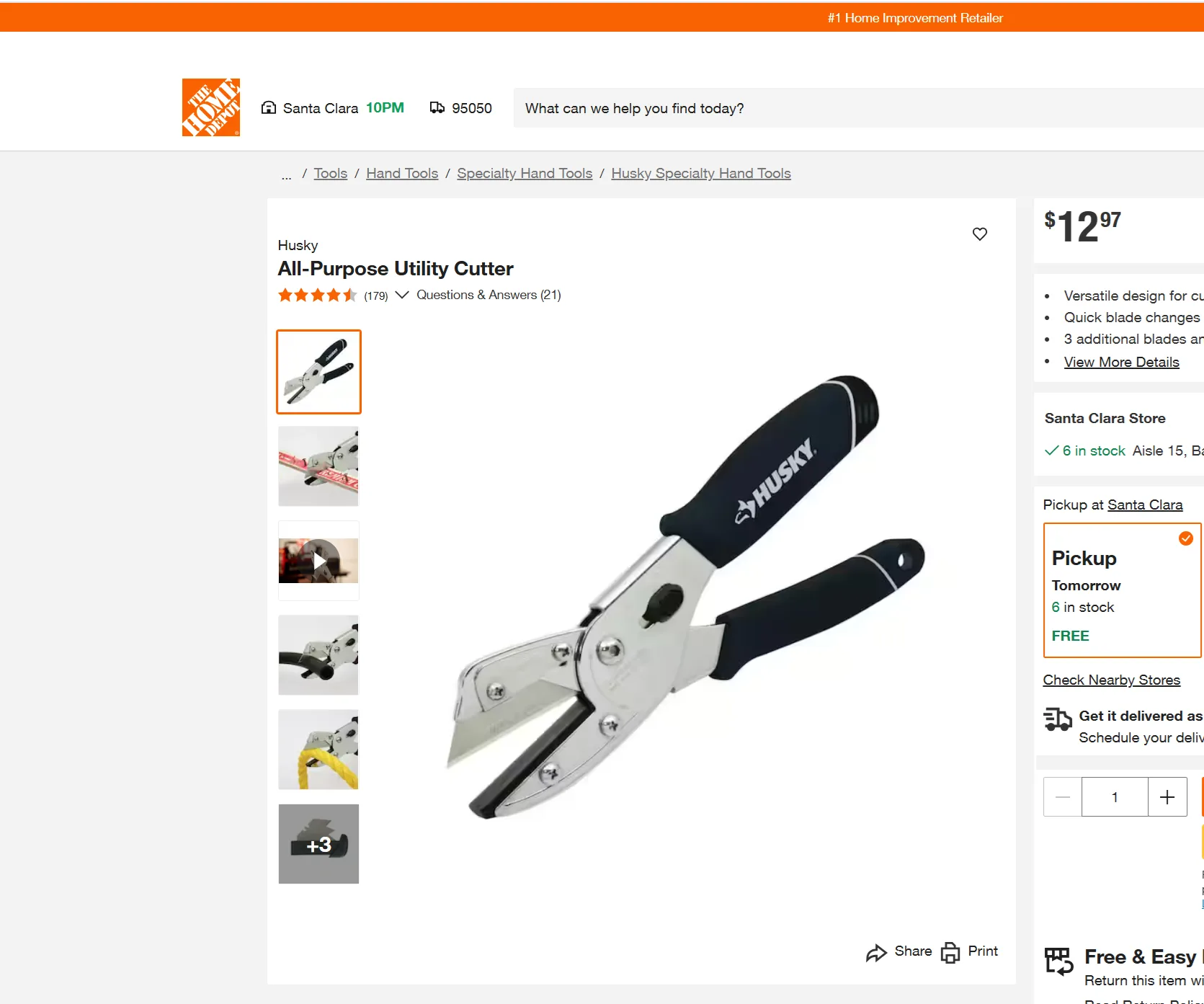
Since the qmatch/ematch has ended in tragedy so often, one must ask the question what else can be done. The answer is when preparing fireworks devices, take steps that if it does go off, it cannot set off other devices. So squibbing inside a truck with the whole rest of the show inside, inside a building or magazine filled with other shells is a super bad idea.
Shells can be placed in the individual mortar tubes and ematched at that time. If they ignite, they just go up into the air rather than go off on the ground and throw sparks and stars and set off all other material in the vicinity. Keep the doors of the magazine closed.
Its worth repeating the key rules of manufacturing and discharge of fireworks :
- Keep MINIMUM amounts of material out. Yes things will go slower but its better than the alternative.
- Keep distance from other manufacturing sites.
- Always keep situational awareness. What if something inadvertantly lights?
In the last 34 year of PGI/WPA/Commercial shows, what safety lessons have we learned?
- Don't leave metal bowls of comp out in the sun.
- Don't leave GMC suburban windows open with product on the front seat.
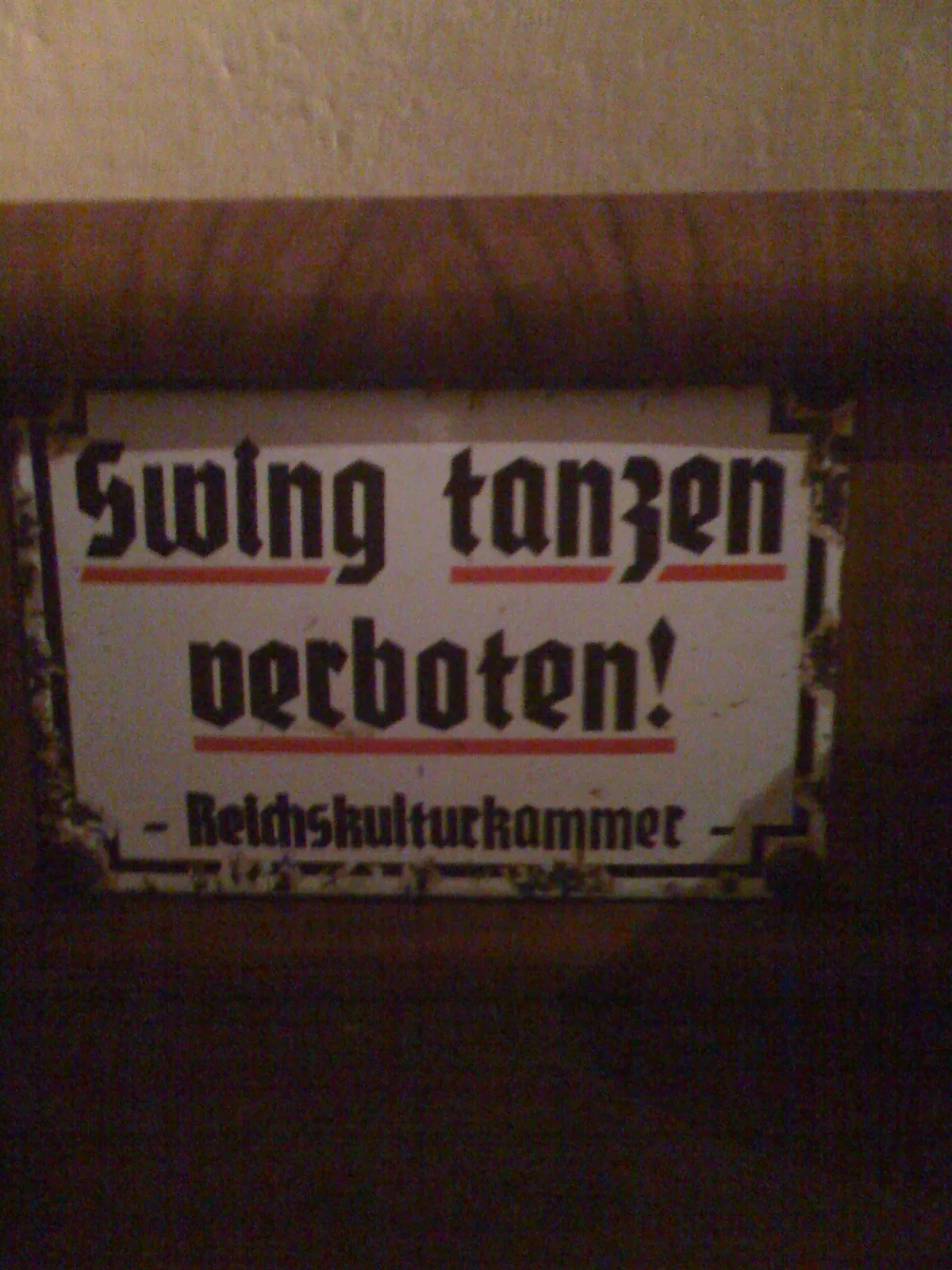
- Flash can be tricky. Flash dancing on an ashphalt track may result in missing toes. No swing dancing, no flash dancing on the flash. Swing tanzen on the flash verboten.
- Armstrongs mixture can be even trickier. Please do not drive around town with it.
- Be careful not to get your rocket rammer lodged on the spindle.
- Drinking tequila and lighting rockets whilst holding them in hand, muy peligroso, especially in Mexico.
- If you shoot a large rocket with a flash header in some random place in the desert, there is some finite chance it will land on a brand new $200k RV parked on some other random place in the desert.
- Large caliber mines with chlorate stars may be more exciting than you want.
- Large italian shells that have been partially eaten by termites may be more exciting than you want.
- Even little burns hurt like hell.
- Stay safe and alive - for your family and friends sake if nothing else!
And now I'd like to turn it over to Mr. Charley Weeth:
Below is my list of fireworks incidents that involved or likely involved the installation, removal or handling of fireworks and electric matches between 1997-2024. It is by no means comprehensive because many incidents are near misses and there is only scuttlebutt. Or the incidents were not reported in the news. Or it is not clear from the public information whether electric matches were involved or not (e.g. Someone making fireworks bs preparing for a show or removing electric matches after a show). Often the only real clues are:the fireworks display(s) will be or was fired electrically fireworks were being prepared, handled or disconnected, or some other activity involving electric matches.LIST OF INCIDENTS INVOLVING ELECTRIC MATCHES & FIREWORKS 1997-2025
July 25, 2024 - Elin Pelin, Bulgaria - 4 dead and significant property damage July 4, 2023 - Gilmore, TX - 1 dead and some property damage December 1, 2022 - Orlando, FL - 4 dead, one severely burned and significant property damage July 4, 2021 - Ocean City, MD - A few minor injuries and some property damage June 5, 2019 - Roswell, NM - 1 dead, 1 severely injured and 10 injured with 1 building destroyed June 30, 2017 Slatington, PA - 1 severely injured and some property damage July 31, 2015 - Palo Duro Canyon, TX - 1 dead and some property damage October 7, 2014 - Maytown, PA - A few minor injuries and significant property damage July 3, 2014 Comanche, TX - 1 dead and some property damage June 18, 2014 - Tenino, WA - 1 dead ,1 inured and some property damage August 31, 2012 - Lake Elsinore, CA - 1 dead ,1 inured and some property damage July 4, 2009 - Ocracoke Island, NC - 4 dead, 1 injured and some property damage June 8, 2008 - Waconia, MN 1 injured and significant property damage December 3, 2006 - Marlie Farm, East Sussex, UK - 2 firefighters killed, 2 police officers and 2 neighbors injured and extensive property damage August 18, 2005 - Crestline, KS - 3 dead, 1 severely injured and 1 injured and some property damage November 3, 2004 - Seest, Denmark - 1 firefighter killed, 7 firefighters and 17 neighbors injured with extensive property damage July 3, 2003 - Kilgore, TX - 3 dead, 5 injured and extensive property damage July 2, 2003 - Bonita Springs, FL - 5 dead, 1 injured and some property damage March 6, 2002 - Carmel, Western Australia - 2 minor injuries and extensive property damage December 31, 1998 - New Orleans, LA - 2 dead, 1 critically injured and some property damage June 5, 1997 - La Follette, TN - 4 dead and extensive property damage2025 Incidents Here are news links to known incidents in 2025 involving the preparation of electrically fired fireworks displays. The tragedy in Esparto has not yet been reported to have involved the preparation of fireworks displays with electric matches, but given it occurred July 1st and the company had electrically fired shows booked for the season, it is the most likely scenario. CAPE COD, MA 4 people injured after fireworks discharge at golf course on Cape Cod Investigation ongoing after fireworks explode ahead of show at Cape Cod golf course Accidental ignition to blame for Mashpee fireworks explosion that hospitalized two, officials say Preliminary findings announced amid investigation into Mashpee fireworks explosion Mashpee firework inspection was 'flawless' before explosion. What we know a week later. WEST WENDOVER, NV West Wendover cancels fireworks display after multiple injured in accidental detonation TUSKAHOMA, OK Fireworks explosion in Tuskahoma critically injures 3 — here’s what we know 3 in critical condition after fireworks explosion and fire Everything we know about the Choctaw Nation explosion victims Fireworks fire victim dies after Tuskahoma explosion ALBUQUERQUE, NM Friend of victim hopes to set record straight on home explosion in NE Albuquerque AFR: 2 injured after explosion starts home fire in NE Albuquerque ATF now investigating explosion involving fireworks inside home Fireworks company releases statement after explosion injures 2 people in Albuquerque Man killed in Albuquerque home explosion was longtime pyrotechnician Two incidents occurred at the display site and were outside. One incident occurred in some type of park building and the other in a residential garage. Note: The two fatalities (so far) occurred at the incidents inside a structure. A structure confines the blasts and the fires, which accelerate the series of explosions as well as increase the damage inflicted on any humans inside. In some instances people may survive their blast and burn injuries but later succumb due to infections or other secondary issues. INVESTIGATION REPORTS Here are some of the best investigations into incidents involving the installation and removal of electric matches to/from fireworks.
The Carmel fireworks explosion: Report
A Report on the Fireworks Accident at Carmel, Western Australia
Marlie Farm significant findings reportUnfortunately in the USA the ATF primarily determines if the incident was accidental or criminal with the cause secondary. OSHA primarily looks for violations, also with the cause secondary. DISCUSSION
Determining the actual cause is always a challenge, especially if there are no survivors. Even if there are survivors, they may not really know exactly what happened because they were looking at something else, or it happened so quickly, or the trauma.
Often the best we can do is determine the most likely cause based on what the activity was at the time.If the activity involves electric matches, impact and friction are the most likely culprits for the initial ignition. ESD is also a possibility but not as likely because the conditions must be just right.
It is always interesting to me that there are folks that argue electrically fired displays are somehow "safer" than manually fired displays. Many have never or will never shoot display fireworks manually. Electrically fired displays are not safer than manually fired displays because it all depends on how everything is done. I'd rather manually fire and reload a show with a crew that is experienced, knows what they're doing and follow safe practices than electrically fire a show with a crew that lacks experience and thinks they know what they are doing and doesn't follow safe practices. Electrically fired displays have different risks and hazards than manually fired displays. Knowing what those risks and hazards are and how best to mitigate and minimize them are the keys. Eliminating all the risks and hazards is impossible, so the best one can do is make the worst case scenarios SURVIVABLE! Blaming people for removing the shrouds or mishandling the fireworks with electric matches is only one part of the equation. Even the most experienced or careful pyro can have a shell with an electric match attached roll of a worktable or a host of other normal FOOPAs. The two keys to making that scenario survivable is to limit the quantity of fireworks to a single shipping carton and limit the number of people in one place at one time with that single shipping carton of fireworks - with all the other fireworks safe in a magazine, day box, box truck or trailer with the doors closed. (ATF minimum distances are 200 feet but 300 feet is better). WHINING: "But that's too far away. It is too hard and takes too much time! Besides the ATF determined installing electric matches is not manufacturing" No, there is plenty of time, just change the plan to the reality of the situation, manage the risks and hazards. And yes the ATF determined the installation of electric matches is not manufacturing, and thus an ATF Manufacturer's License is not required. However, all of the other standards such as types of buildings, maximum quantities and minimum distances remain applicable. See July 2017 ATF Newsletter. Besides nothing is harder than spending months in the burn unit and a lifetime of disfigurement and pain ..... or attending closed casket funerals!